
Why Millennials and Gen Z Are Choosing Antiques
- Amanda Lennon

- 3 days ago
- 3 min read
We're Surprised and Delighted by our Increase in Younger Clients
For years, we were told that antiques were falling out of favour.
The story went something like this: younger generations wanted fast furniture, minimalist interiors and the convenience of ordering everything online. Antique dealers worried that traditional furniture would become increasingly difficult to sell, while auction houses debated changing tastes and declining interest in period pieces.
Yet here at Chaos Cottage, we've been seeing something rather different.
Some of our most enthusiastic customers are people in their twenties and thirties. They're furnishing rented homes, first flats, shared houses, bedrooms and period properties. They're browsing antique centres, attending auctions, searching online and choosing furniture that often predates them by a century or more.
Far from losing interest in antiques, many younger buyers seem to be discovering them for the first time.


Home Isn't Always Something You Own
One of the most interesting shifts we've noticed is that younger people are no longer waiting until they own a house before creating a home.
House prices, deposits and changing lifestyles mean many people spend longer renting, sharing accommodation or living in smaller spaces. Yet that doesn't stop them wanting surroundings that feel personal.
We've met customers who are carefully furnishing a single bedroom, creating a welcoming corner in a rented flat or slowly collecting pieces for a future home. They're building spaces that reflect who they are, wherever those spaces happen to be.
That, perhaps, is one of the loveliest things about antiques. You don't need a large house or a grand renovation project to enjoy them. A well-chosen piece can bring warmth, character and personality to even the smallest space.



Character Over Trends
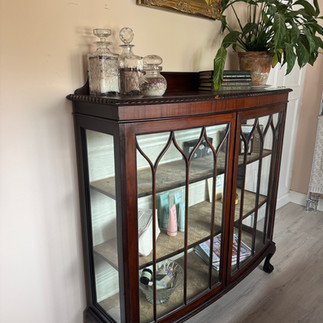
Many younger buyers tell us they're looking for something with character.
Mass-produced furniture certainly has its place, but there's a growing appreciation for pieces that feel individual. Furniture with history, signs of craftsmanship and a sense that it has lived a life before arriving in their home.
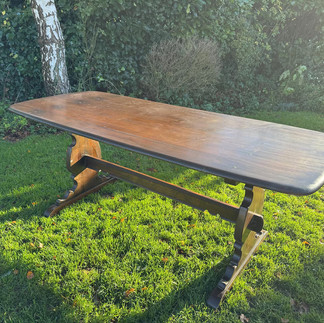
An antique chest of drawers may have acquired a few marks over the years. A Victorian table may show evidence of generations of use and could be revarnished or repainted as tastes change. Rather than seeing those imperfections as flaws, many younger buyers see them as part of the appeal.
Every mark tells a story.




Creative New Uses for Old Furniture
Perhaps our favourite part of this trend is seeing the imaginative ways people use antique furniture today.
Traditional furniture was often designed for lifestyles very different from our own, yet younger buyers are remarkably good at adapting pieces to suit modern living.
We've seen writing bureaus transformed into dressing stations, with pigeonholes and drawers providing the perfect storage for make-up, brushes and hair accessories.
Old cupboards become pantry storage.
Victorian side tables house record players.
Bookcases display vinyl collections, plants and family photographs.
The beauty of well-made furniture is that it can evolve alongside the people who own it.
Quality That Lasts
Quality matters too.
Many antique pieces were built using solid timber, traditional joinery and skilled craftsmanship. They were made to be repaired rather than replaced and, in many cases, have already lasted far longer than modern furniture is expected to.
There is something reassuring about buying a piece that has survived decades — sometimes centuries — of everyday life and still has many years ahead of it.
In a world where so much feels temporary, that durability has real appeal.


A More Sustainable Choice
Sustainability is also part of the conversation.
The greenest piece of furniture is often the one that already exists.
Choosing antique and vintage furniture keeps well-made items in use and helps reduce demand for newly manufactured alternatives. It is a practical form of recycling that combines environmental responsibility with individuality and style.
For buyers who are increasingly conscious of waste and consumption, antiques offer a compelling alternative. And this, really, is the essence of who we are at Chaos Cottage - we're committed to slower, more sustainable living.
Old Pieces, New Stories
Perhaps that's what we find most encouraging about the younger buyers who visit Chaos Cottage.
They're not buying antiques because they feel they should.
They're not trying to recreate a museum or follow someone else's rules about interior design.
Instead, they're choosing pieces that speak to them. They're mixing antiques with contemporary furniture, combining practicality with personality and finding new uses for traditional designs.
Most importantly, they're giving old furniture a future.
Every antique has a history, but the best antiques don't stop there. They continue collecting stories with each new owner, each new home and each new chapter.
And if what we're seeing is anything to go by, those stories are only just beginning.







Comments